John Carson-ZangorResidential mortgage broker
John Carson-Zangor, mortgage broker serving Jimboomba

Mortgage broker Jimboomba QLD 4280

★★★★★ Rated 5.0 on Google

I am John Carson-Zangor, a residential mortgage broker serving Jimboomba from my base in Bethania — the other end of the same City of Logan. Jimboomba lending comes with questions most suburban applications never raise: block size, rural-residential zoning, sheds and second dwellings, tank water, flood mapping. I check those against each lender's written policy before a single form is lodged — for buyers, refinancers, investors, the self-employed and anyone a bank has already knocked back.

Phone or video suits most people out here — the entire process, signing included, can run that way. Tell me what you are after and I aim to come back to you by the end of the next business day.

60+Lender policies researched
Rated 5.0on Google
Author: John Carson-Zangor Credit representative: 537545 · ACL 387856 Last reviewed: Methodology: Human review of lender criteria and official sources Reviews: 5.0-star Google client reviews

Jimboomba, read the way a lender reads it

Jimboomba is a town in its own right at the southern end of the City of Logan — postcode 4280, on the Mount Lindesay Highway roughly 40 kilometres south of Brisbane. It has its own main street, two supermarket-anchored shopping centres and its own schools, which is part of why families settle here rather than just pass through. But the thing that defines Jimboomba for lending purposes is land. Outside the town centre and the newer estates, much of the suburb is zoned rural residential, and acreage is the local normal, not the exception.

That mix creates a suburb where two properties a few streets apart can be completely different lending propositions. A near-new home on a compact block in one of the newer estates — Jimboomba Woods, Riverstone and their neighbours — is a straightforward residential security almost anywhere. A multi-hectare holding with a dam, a big shed and a dual-living setup is a different conversation: still very financeable, but with a shorter list of willing lenders and more questions to answer before the application goes in.

My job is to know which questions those are and to ask them before a lender or a valuer does. That is usually the difference between a file that lands cleanly and one that bounces after weeks of waiting.

Acreage lending: where the rules quietly change

Standard home-loan policy is written for suburban houses on suburban blocks. Acreage stretches it, and every lender stretches differently. As a broad pattern — and it is only a pattern, because the cut-offs vary lender to lender — smaller rural-residential blocks are treated as normal residential lending, while larger holdings trigger extra rules: some lenders cap the land size they will accept, some reduce the maximum they will lend against the property, and mortgage insurers apply their own land-size limits, which matters for anyone borrowing with less than a 20 per cent deposit.

Then there are the questions valuers ask on rural-residential securities that never come up in town. How is the property serviced — town water or tanks, sewer or septic, is there a bore? Is the access sealed? How much of the value sits in the land compared with the dwelling? Are the sheds and other improvements council-approved? And is any part of the property used to produce income — because a working farm is a different loan category from a lifestyle block, and the line between the two is drawn by lender policy, not by the owner.

An illustrative example of how this plays out: a couple find a house on a large block with a second dwelling out the back. One lender will not count rent from the second dwelling and reads the block as outside its standard policy. Another accepts the size, counts part of the rent, and the same couple fit comfortably. Nothing about the couple changed — only the match between the property, the policy and the paperwork. That example is illustrative only, but it is the shape of most acreage problems I see: the deal was fine, the pairing was wrong.

Growth on the doorstep: Greater Flagstone

Immediately west of Jimboomba and the Mount Lindesay Highway sits the Greater Flagstone Priority Development Area — around 7,188 hectares that Economic Development Queensland expects to carry roughly 51,500 new dwellings and a population of up to 138,000 people over a 30-to-40-year build-out. That is a small city being assembled next door.

For Jimboomba buyers it cuts two ways. The growth front puts house-and-land packages, construction loans and progress-payment schedules on the local menu — a different lending process from buying an established home, with its own timing traps. And established acreage in Jimboomba becomes the counterpoint: land of a kind you generally cannot replicate inside a master-planned estate. Neither is the right answer for everyone. What matters for finance is that valuations behave differently in each — a fast-moving new estate gives valuers plenty of recent, near-identical sales, while a one-of-a-kind acreage property gives them few direct comparisons, and that can show up in the valuation either way.

If you are weighing a new build in the growth corridor against an established block in Jimboomba proper, that is a decision worth testing on paper before any contract is signed.

The highway, the river and the town

Jimboomba runs on the Mount Lindesay Highway — the spine north to Browns Plains and Brisbane, and south to Beaudesert. Every local knows the highway has low points that go under in big rain: the March 2022 floods cut the highway and left the town isolated for a time, and ex-Tropical Cyclone Alfred closed it again at the low point in March 2025. Most of the time none of this touches daily life. It becomes a finance question only at the level of the specific property — what Logan City Council's flood mapping shows for the address, what an insurer quotes, and how a valuer treats the site. I check all three early, before a finance clause is ticking.

The town itself is more self-contained than outsiders expect. Jimboomba Central carries a Woolworths plus around 35 specialty stores, and Jimboomba Junction across the highway is anchored by Coles. Jimboomba State School takes local kids from Prep to Year 6, and Hills International College is an independent Prep-to-Year-12 school on the golf-course side of town. For lending purposes the point is simple: this is an established town with services, not a remote holding — one of the reasons many lenders remain comfortable here even on larger blocks, subject to their land-size rules.

Who I help in Jimboomba

Owners refinancing on acreage

Acreage owners often sit on old loans because refinancing feels harder than it was in town. Sometimes it is — land size can narrow the panel — but that is a reason to have a broker run the comparison, not a reason to keep an uncompetitive rate. A proper refinance review prices the move against what it changes — including funding a shed or a pool. If staying put is the better answer, I will say so.

First home buyers in the estates

The newer estates around Jimboomba are where many first home buyers enter the area, often on house-and-land contracts. Deposit schemes, grants, lenders mortgage insurance and construction timing all interact, and the order you do things in matters. My first home buyer process lines those up before you sign anything, so your pre-approval means what you think it means.

Self-employed locals and tradies

Jimboomba is a working town — utes, sheds, ABNs. Lenders want business income presented so it can be read at a glance: BAS, tax returns, ABN history, trading bank statements. My self-employed process packages all of it before lodgement, because in my experience self-employed applications rarely fail on the income itself. They fail on how it is presented.

When the bank has said no

Declined files are a specialty of mine, and acreage adds a twist: some declines out here are really property declines dressed up as borrower declines. If a lender baulked at the land size, the second dwelling or the valuation, a different lender with different written policy may read the same file differently. I work out which it was before anyone applies again.

How a Jimboomba file comes together

The order is deliberate. First, the position check: income, deposit or equity, credit history, the goal. Second come the property questions, which carry extra weight out here: block size and zoning code, how the property is serviced, flood mapping for the address, what improvements exist and whether they are approved, and whether any part of the property earns income. Third, the lender match — your file checked against written lender policy so the application lodged is one that already fits. On acreage, skipping the middle step is how finance clauses die. That order looks slow and is actually fast, because a file that fits does not bounce.

Up and down the Mount Lindesay corridor

I work this corridor in both directions. Park Ridge and Browns Plains sit up the highway toward Brisbane, and Yarrabilba is the other big growth front to Jimboomba's east. Still comparing areas? My main Logan page lays out how the whole city fits together, from the rail-line suburbs in the east to the acreage country down here in the south.

Jimboomba market snapshot — August 2026

  • Median house price: $1,073,750, up 19.6% over the year (190 sales)
  • Median unit price: $1,019,900 (only 12 sales, so treat with caution)
  • Typical selling time: about 18 days; median house rent about $700 a week

Source: CoreLogic suburb data via yourinvestmentpropertymag.com.au, 12 months to May 2026 (checked 7 August 2026). Medians are sale-price medians and move with the mix of properties sold — on acreage especially, they are context, not a valuation of any block.

Local references used for this page

The property and timing questions above draw on these local sources. None of them is a lending recommendation.

Jimboomba mortgage broker FAQs

Who is a mortgage broker in Jimboomba QLD 4280?

John Carson-Zangor is a residential mortgage broker who serves Jimboomba, QLD 4280 from his base in Bethania, at the other end of the same City of Logan. He works with acreage buyers, refinancers, investors, self-employed borrowers and anyone whose file has outgrown a standard bank application.

Do you meet clients in Jimboomba?

I am based in Bethania, not Jimboomba, so I will be straight about that. Most clients pick phone or video - every step, signing included, can be handled that way - and it saves everyone a drive. If sitting down in person matters to you, we can arrange it.

What local things in Jimboomba matter for a home loan?

Three stand out. Land size - much of Jimboomba is rural-residential acreage, and lender appetite changes as blocks get bigger, so the same borrower can fit one lender and miss another on the block alone. Improvements - sheds, dams, second dwellings and dual-living setups all affect how a valuer reads the property and whether council approval questions come up. Flooding - the Logan River and the low points of the Mount Lindesay Highway have flooded before, most recently around ex-Tropical Cyclone Alfred in March 2025, so flood maps and insurance quotes belong at the start of the process, not the end.

Can a lender say no just because a property is on acreage?

Yes, and it happens more than people expect. Many lenders are comfortable with smaller rural-residential blocks under standard policy, but as land size increases the panel of willing lenders narrows and conditions change - lower maximum lending against the property, different valuation requirements, or limits from the mortgage insurer. None of that means the purchase cannot be financed. It means the lender needs to be matched to the block before the application goes in, not after.

Do sheds, granny flats or second dwellings cause loan problems in Jimboomba?

They can, but usually only when they surface late. Valuers may attribute less value to outbuildings than an owner expects, and a second dwelling raises two questions: whether it has the right council approval, and whether the lender will count any rent from it. Policies differ on both. If the improvements are identified up front, the file can be pointed at a lender whose written policy handles them.

Is flooding a problem for finance in Jimboomba?

Not automatically, but it is a real question here. Parts of Jimboomba sit near the Logan River, and the Mount Lindesay Highway has been cut at its low points in past flood events. Finance-wise the issues are property-specific: what the council flood mapping shows for the address, what insurance will cost, and how a valuer treats the site. Checking those early keeps a finance clause from becoming a deadline problem.

What do I need to send you for a position check?

Your income, your deposit or equity, what you are trying to do, and - if there is a property in mind - the address, the block size and anything unusual on it. Send it through the form on this page and I will aim to come back by the end of the next business day with a straight answer on where you stand.

Buying, building or refinancing in Jimboomba?

Send through the basics and John will come back with a straight read on your position and the next sensible step.

General information only, not credit advice. Your circumstances, lender criteria and responsible lending requirements apply. John Carson-Zangor is a credit representative (537545) of QED Credit Services Pty Ltd, Australian Credit Licence 387856.

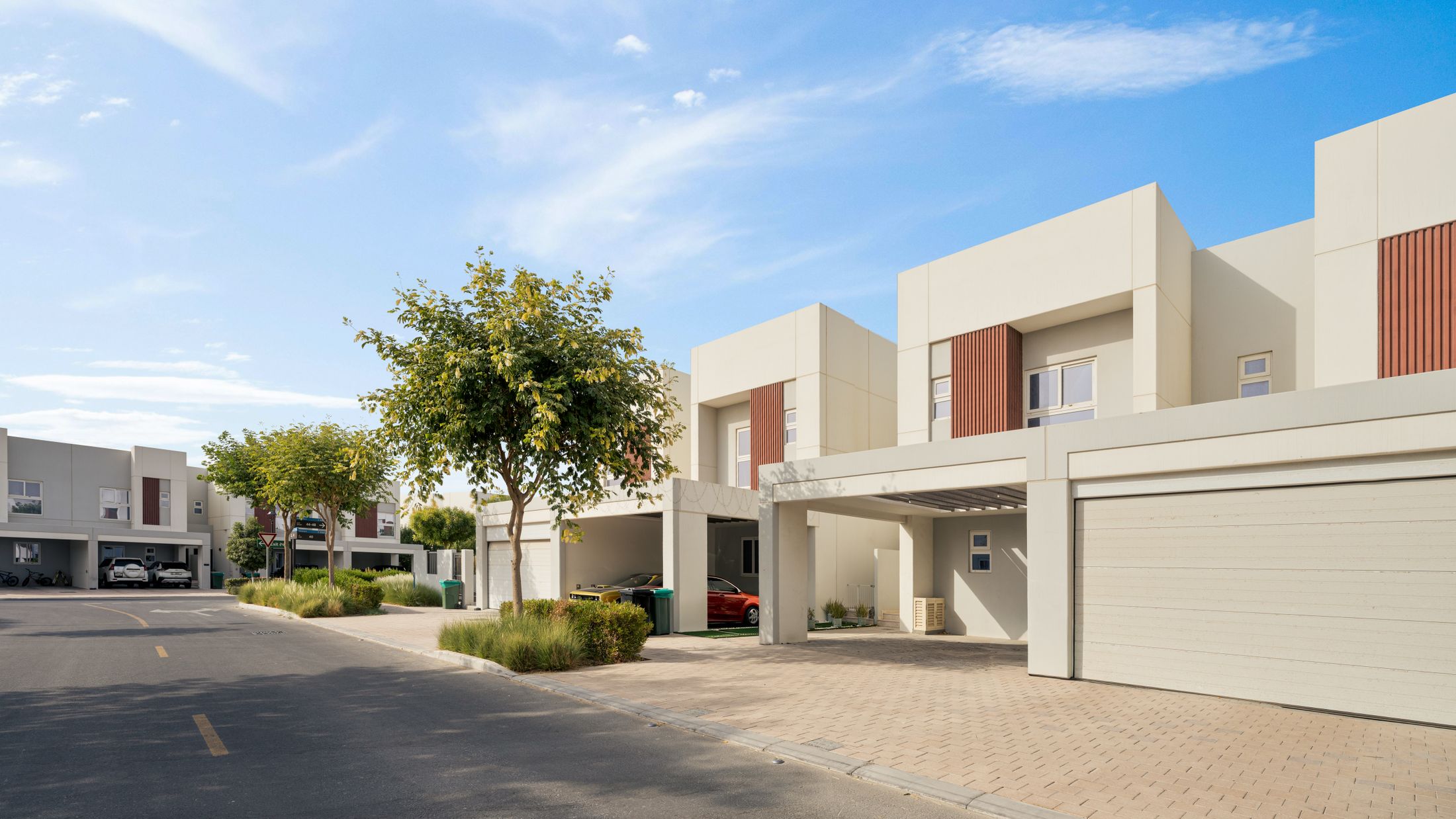
A street of modern suburban homes

Local mortgage support

One broker from the first question to settlement

John is based in Bethania and works directly with buyers, owners and investors across the City of Logan — including Jimboomba and the Mount Lindesay corridor.

John Carson-Zangor

John Carson-ZangorDirect help from a residential mortgage broker serving Jimboomba from Bethania, Logan.

Talk with John
Call JohnFree review